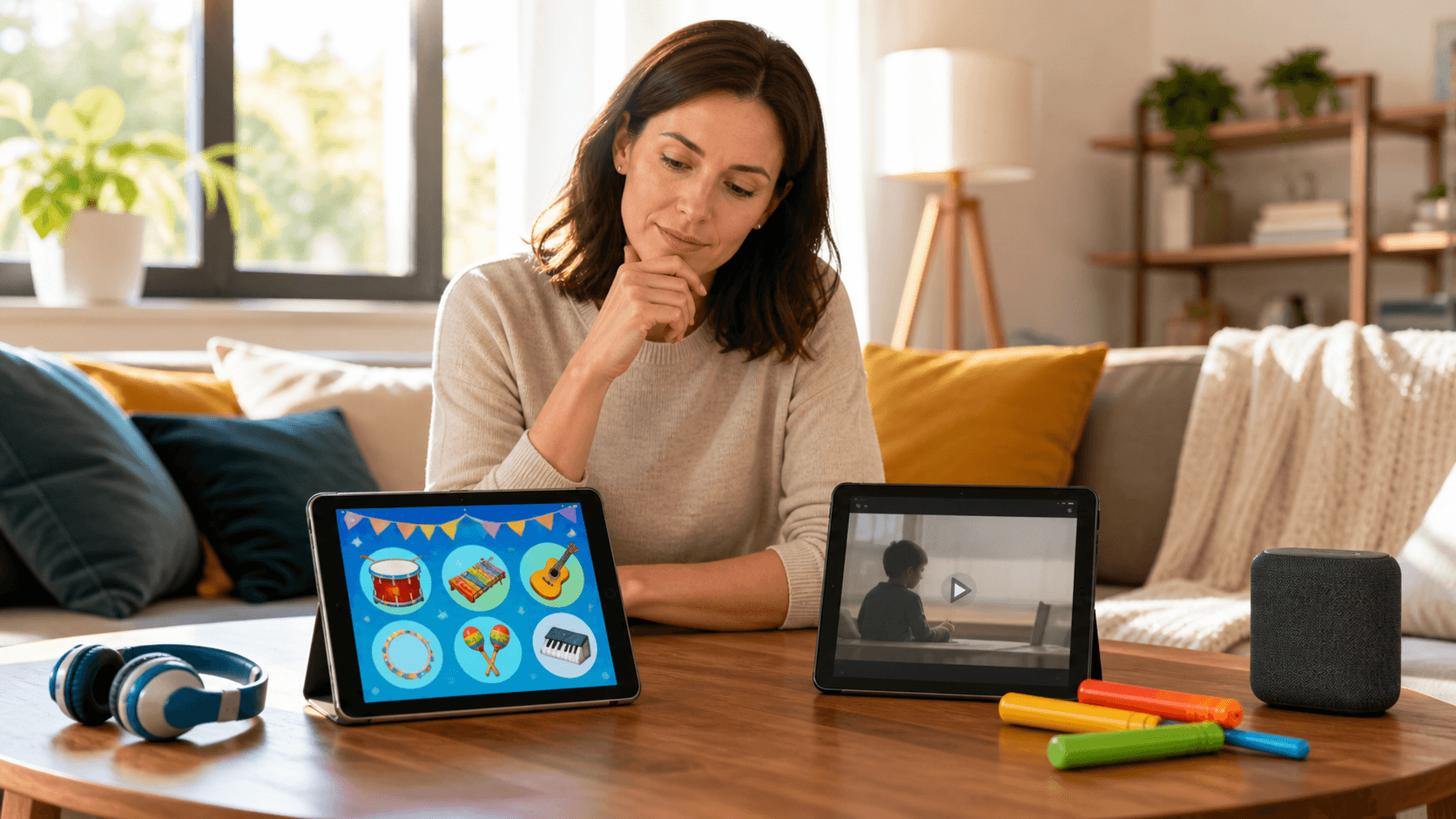
Educational Songs for Kids Can Make Screen Time Count
Educational songs for kids can help you turn screen time into a moment of play, practice, and discovery. As back-to-school routines return, many of us want our children to enjoy technology without giving up time for learning, creativity, or family connection. The goal is not to remove every screen. It is to choose experiences that ask kids to do more than watch.
At Altys, we believe the difference often comes down to participation. A video that holds a child's attention may be fine for a break, but a song that invites them to sing, clap, answer, or move can make the same device feel like a learning tool. With safe, parent-guided AI, we can also make those moments feel more personal while keeping the experience ad-free and shaped by your family's preferences.
Why Passive Videos Often Fail to Build Skills
Passive videos can be entertaining, but entertainment alone does not always lead to learning. A child may remember a funny character, a bright scene, or a catchy phrase, yet have trouble explaining what the video was trying to teach. That is because many videos do not ask children to pause, think, practice, or use a new idea.
You may notice passive viewing when your child seems zoned out, asks for the next video right away, or cannot tell you what they watched after the screen turns off. None of this means you have done anything wrong. Many videos are designed to keep attention moving from one clip to the next, not to give children time to understand what they see.
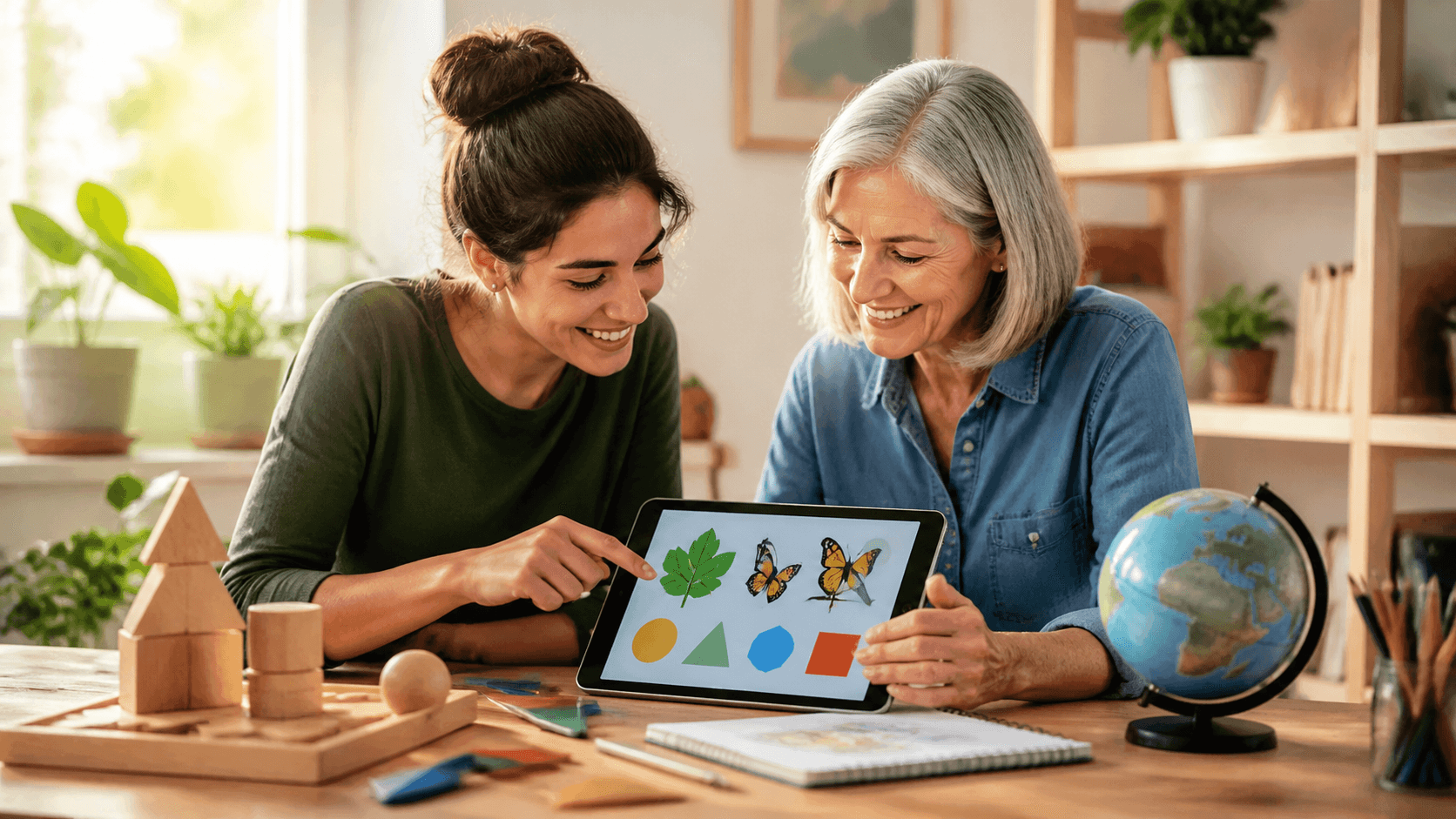
Purposeful media creates small chances to participate. Instead of simply watching a character count, your child can count along. Instead of hearing a word once, they can repeat its sounds. Instead of watching a story end, they can guess what might happen next.
We encourage parents to look for experiences that make room for actions like these:
- Repeating letter sounds or new vocabulary words
- Answering a simple math or science question
- Predicting what will happen next in a story
- Creating a different ending, rhyme, or idea
Those little moments can help children move from watching to doing.
How Educational Songs for Kids Encourage Active Learning
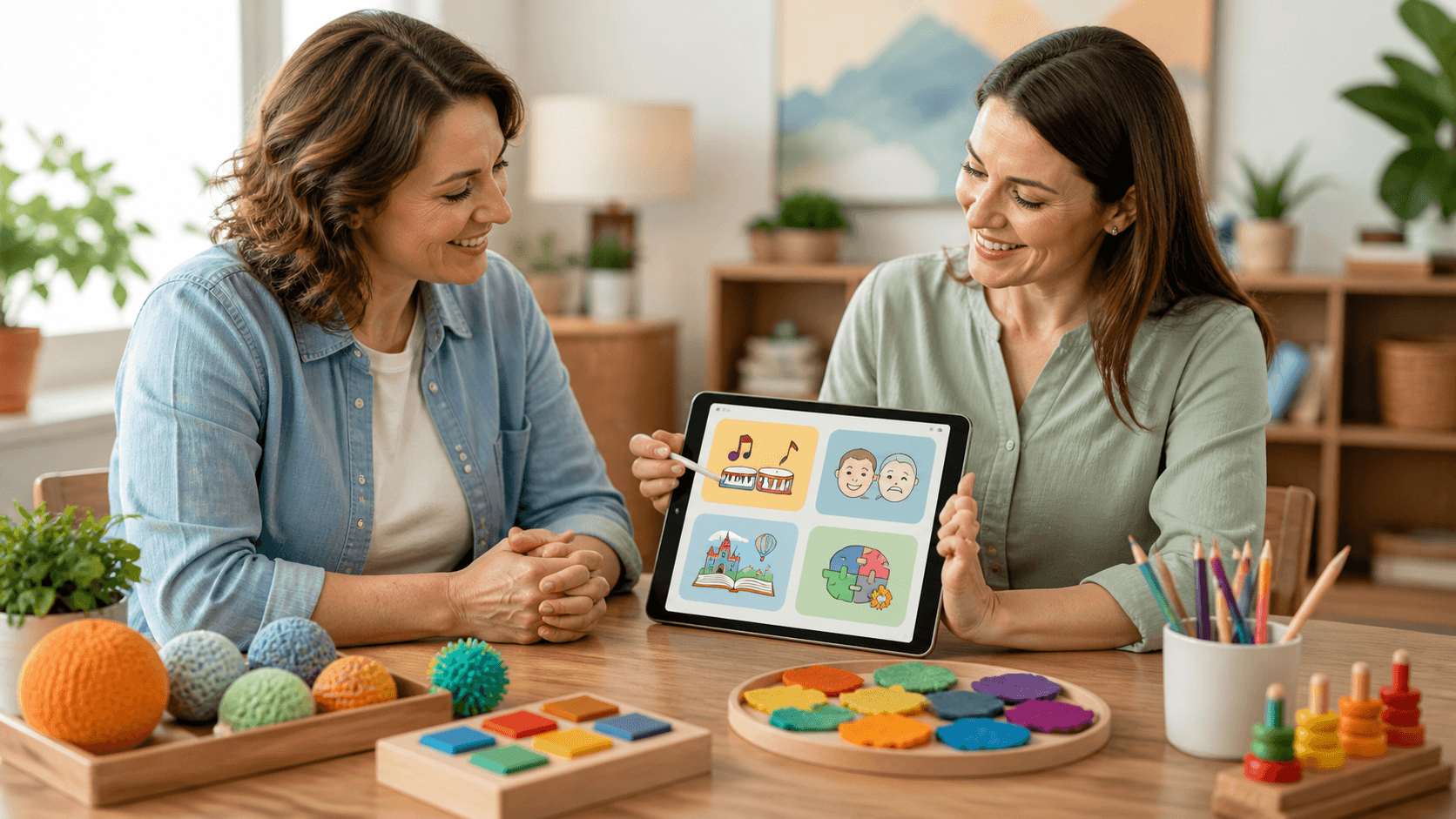
Music gives learning a rhythm children can follow. Repetition in a song can make foundational ideas feel familiar, whether your child is practicing phonics, counting, vocabulary, science facts, or early writing patterns. A water-cycle song can turn a big science topic into memorable steps. A skip-counting rhyme can make number patterns feel more like a game than a worksheet.
The best educational songs for kids do not ask children to sit perfectly still. They invite a child to sing along, clap out syllables, tap a beat, act out a scene, or call back an answer. Each type of participation gives children another way to connect with the idea.
Music can also lower the pressure around tricky subjects. When a child is unsure about reading a new word or solving a math problem, a familiar tune can make practice feel safer and more playful. We want children to feel comfortable trying, making mistakes, and trying again at their own pace.
After a song ends, a few gentle questions can keep the learning going:
- "What words did you hear more than once?"
- "Can you show me the number the song talked about?"
- "What part would you sing again?"
- "Can you make up one new line for the song?"
You do not need to turn every song into a lesson plan. Even one question or one silly dance move can help your child stay engaged.
Safe AI Makes Learning More Personal and Parent-Guided
Children often learn with more excitement when a topic connects to something they already love. A child who is interested in dinosaurs may be more eager to practice new words in a dinosaur song. Someone fascinated by space may enjoy counting planets or making up a story about a rocket. Animals, fairy tales, trucks, ocean life, and favorite colors can all become starting points for learning.
With Altys, we use AI to create personalized educational stories, songs, and interactive activities around your child's interests. That means you can guide the topic while giving your child something that feels made for them. Rather than being pulled through an endless video feed, they can explore reading, math, science, and writing in a way that matches their curiosity.
Safety matters just as much as personalization. Parents deserve to know what their children are exploring and to have meaningful control over it. Our ad-free experience is designed to help families choose age-appropriate learning content without the distractions that often come with open video platforms.
Build a Calm Back-to-School Screen Routine
September can feel busy fast. Between school mornings, homework, activities, meals, and bedtime, screen time may become the easiest way to fill a few quiet minutes. We recommend giving it a simple purpose instead of treating it as an automatic default.
A short educational song can fit nicely before recreational screen time, during an after-school wind-down, or while your child settles into a homework routine. The goal is not to make every minute productive. It is to create a predictable rhythm where technology can support curiosity instead of taking over the afternoon.
Try starting screen time with a question: "What would you like to learn about today?" That small shift gives your child a voice while helping them see a device as a tool for exploration. They might choose rainbows, bugs, addition, rhyming words, or a story about a brave dragon.
Once the song or activity is over, keep the idea alive away from the screen. Your child could draw a scene, find objects around the house that match the topic, teach the song back to you, or create a new verse together. These simple follow-ups can turn a few minutes of digital learning into a fuller family moment.
Choose Screen Time That Helps Kids Grow
Thoughtful screen time does not need to become another complicated task on your family to-do list. We can focus on small choices that help children stay curious, engaged, and safe. Educational songs for kids give them a chance to listen, respond, move, and remember, all while having fun.
The most helpful routine is one that works for your family. Choose content with a clear purpose, leave room for your child's interests, and remember that participation matters more than perfection.
Build Safer Learning Moments Together
At Altys, we help families find thoughtful ways to make screen time more purposeful and secure. Learn how our approach to educational songs for kids supports age-appropriate discovery while keeping parent peace of mind at the center. Explore a safer space where your child can listen, learn, and stay curious.