Homework Can Feel Calmer This School Year
Homework stress can make an ordinary school evening feel much harder than it needs to be. The school day is over, everyone is tired, and a simple worksheet can quickly lead to tears, frustration, or conflict at the kitchen table.
At Altys, we know this stress does not always mean a child does not want to learn. Sometimes the work feels too hard, too repetitive, too fast, or far removed from what they enjoy. Personalized learning for kids can offer encouraging practice that feels more manageable, while giving you a clearer view of what your child is exploring.
Personalized Learning Meets Children Where They Are
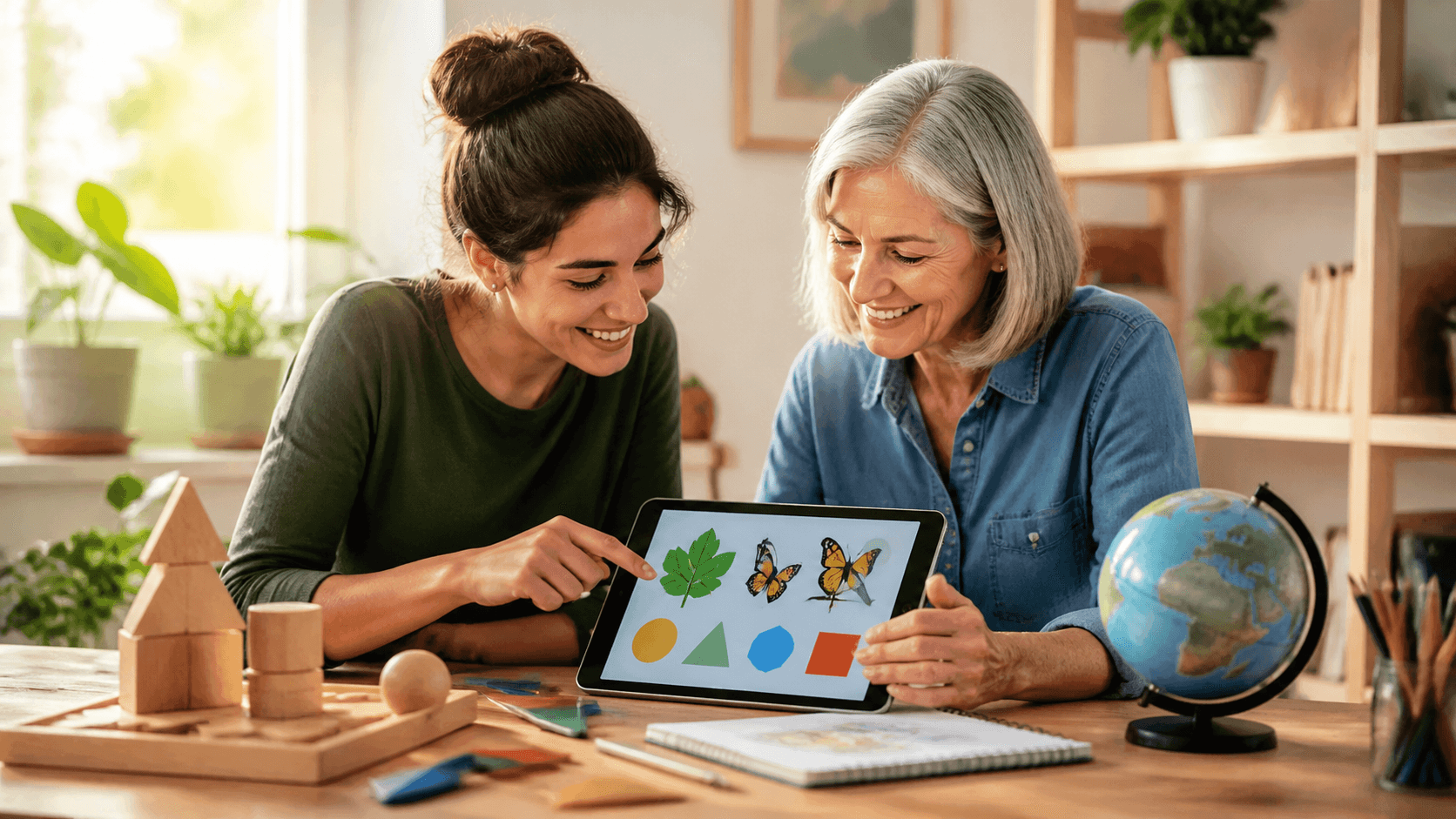
Children do not all learn at the same speed or in the same way. One child may understand reading through a fun story, while another remembers a concept better with a song, picture, or hands-on activity.
That is where personalized learning for kids can make a real difference. When practice matches a child's current level, they can work through skills without facing a wall of questions that feels impossible. Just as important, they are less likely to feel bored when work is far too easy.
Interests matter, too. A child who loves space may be more excited to read about planets. An animal fan may stay engaged with a math activity built around favorite creatures. We help turn learning time into experiences that can feel more personal and inviting.
A personalized approach can support practice in ways that feel right for your child, including:
- Stories that connect subjects to favorite interests
- Songs that make facts easier to remember
- Interactive activities with smaller steps
- Opportunities to explore topics at a comfortable pace
The goal is not to remove every hard moment. It is to help children meet challenges with a little more confidence and a little less pressure.
Stories and Songs Can Unlock Tough Topics
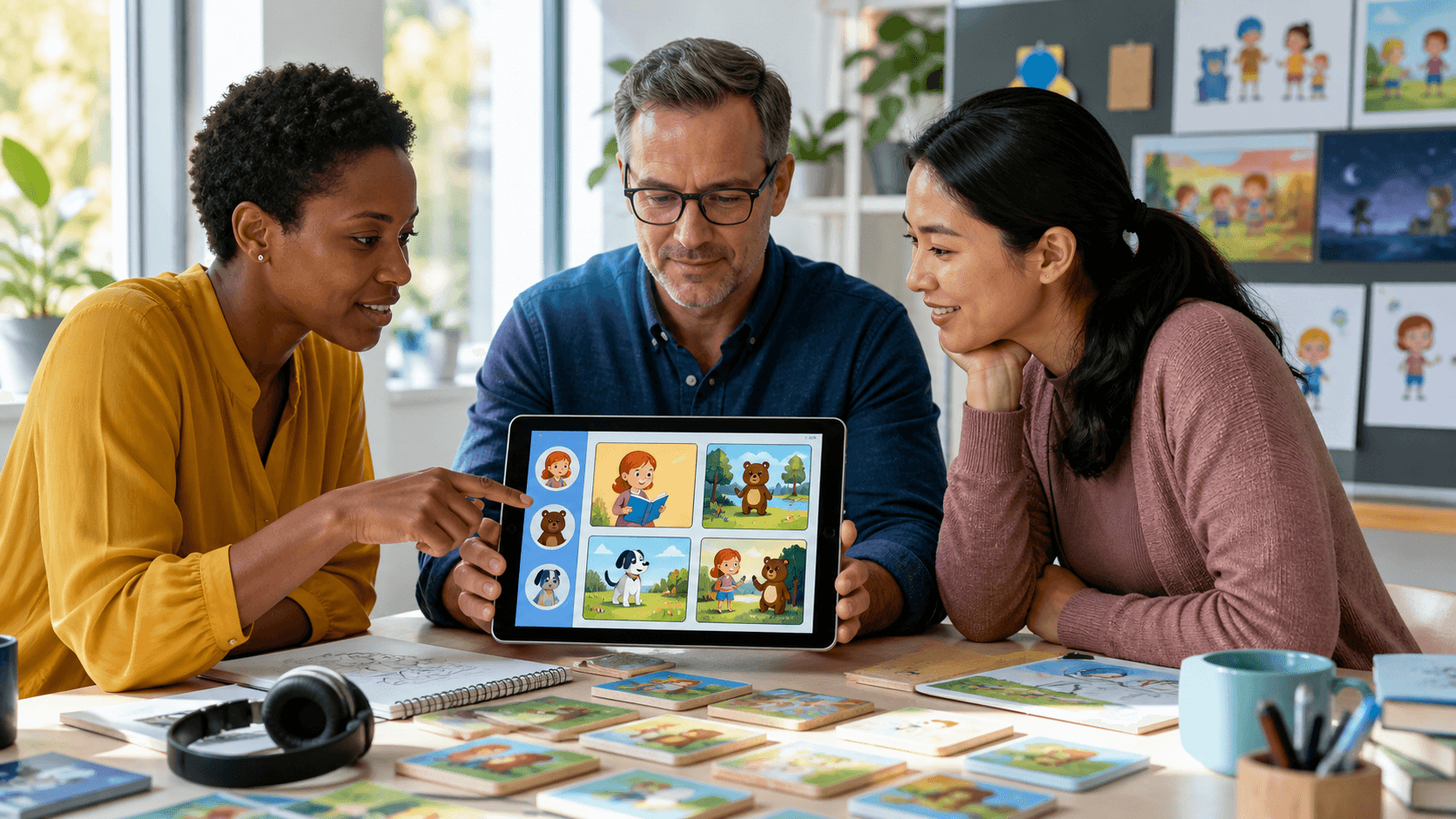
Creative formats can lower the tension that sometimes surrounds homework. A story about an adventure can make reading practice feel like exploration. A song that repeats a math fact can give a child another way to remember it without staring at the same problem again.
Instead of asking a child to push through a long assignment all at once, we can help make learning feel more bite-sized. Interactive activities can break a bigger idea into smaller steps, which is especially helpful when a full page of questions feels overwhelming.
Short sessions can fit naturally into an after-school routine. You might use a brief activity as a warmup before homework, a reset after a frustrating question, or a cheerful review once assignments are done.
Here are a few low-pressure moments that can work well:
- Five minutes of reading practice before starting a worksheet
- A short song during a break from math problems
- An interactive science activity after a difficult school day
- A quick review of a topic your child found confusing
Screen time does not have to mean more pressure. When it is educational, focused, and age-appropriate, it can be one small part of a calmer routine.
Safe AI Helps Parents Stay Involved
Parents have good reason to be careful about AI tools. You want your child to learn and explore without running into inappropriate content, confusing information, or open-ended interactions that do not feel right for their age.
We designed Altys as a child-safe AI learning experience centered on educational stories, songs, and interactive activities. Parent controls help you stay in charge of the experience, while learning-focused content gives children room to explore subjects in a more guided way.
Progress visibility can ease parent stress, too. When you can see what your child is spending time on and which subjects catch their attention, it is easier to notice where they may need more support. That can lead to better conversations at home and more useful questions for their teacher.
AI should be a supportive learning companion, not a replacement for parents, teachers, or family time. The best learning moments still include encouragement from you, patient conversations, and the comfort of knowing someone is on your child's side.
Personalized Learning Builds Steady Confidence
Confidence often grows through small wins. A child who completes a short activity, remembers a new fact, or tries a different way to solve a problem is building the belief that learning is something they can do.
As fall routines settle in and homework starts to take up more space in the evening, we encourage you to praise effort as much as correct answers. Notice when your child keeps trying, asks a thoughtful question, or returns to a tricky skill after taking a break.
Those moments can also reveal useful patterns. Maybe reading comprehension is the hardest part of the night. Maybe multiplication facts cause frustration, or your child loses focus after a few minutes. Personalized learning for kids can give you a gentler way to practice those areas without turning every evening into another lesson.
A steady routine helps children build resilience before frustration becomes a regular part of family life. Progress may be gradual, but feeling supported can change how a child approaches the next challenge.
Start a Gentler Homework Routine Tonight
Calmer homework time begins with understanding how your child learns best, offering practice in manageable pieces, and choosing tools that keep safety and parent involvement in view. You do not need to make every assignment perfect.
Start with a short, low-pressure learning window after school or before homework. A few minutes of personalized stories, songs, or interactive activities can help your child feel more settled and ready to try. The aim is simple: help learning feel supportive, capable, and curious, even on the tiredest school nights.
Build Confidence With Safe Learning Support
At Altys, we believe parents deserve clear reassurance about the tools their children use. Learn how personalized learning for kids can provide a safer, more supportive way to encourage curiosity at home. Our approach helps families introduce AI-powered learning with thoughtful safeguards designed for young learners.