Your Child Can Turn Screen Time Into Reading Growth
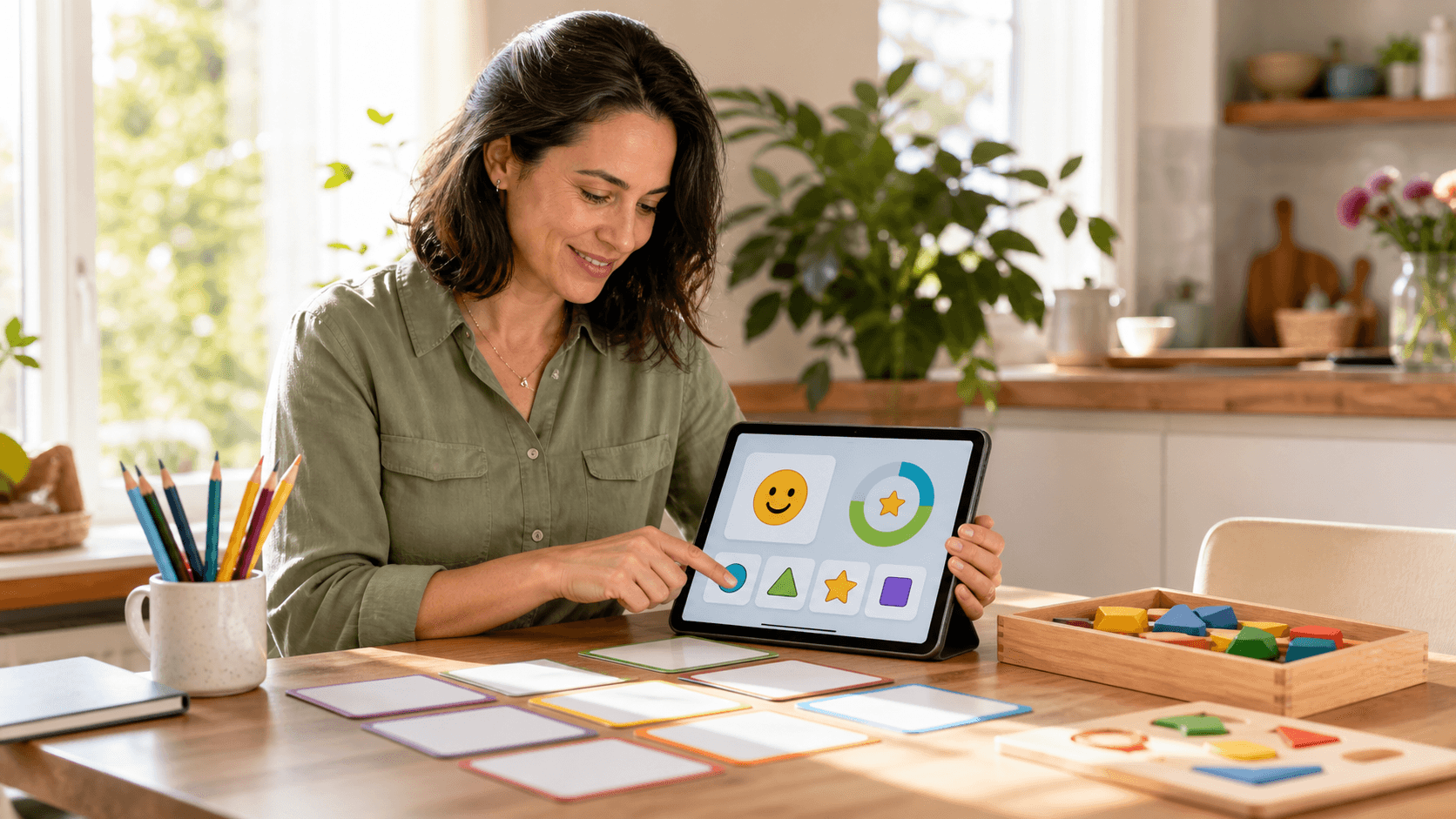
Screen time can feel more worthwhile when it gives your child a chance to read, think, and create. As back-to-school routines settle in, we see interactive storytelling as a playful way to make reading practice feel like an adventure instead of another assignment.
At Altys, we create child-safe AI learning experiences that turn a few minutes on a screen into personalized stories, songs, and activities. With parent guidance, these moments can support vocabulary, comprehension, confidence, and creativity while keeping your child's interests at the center.
Why Choices Turn Stories Into Active Reading
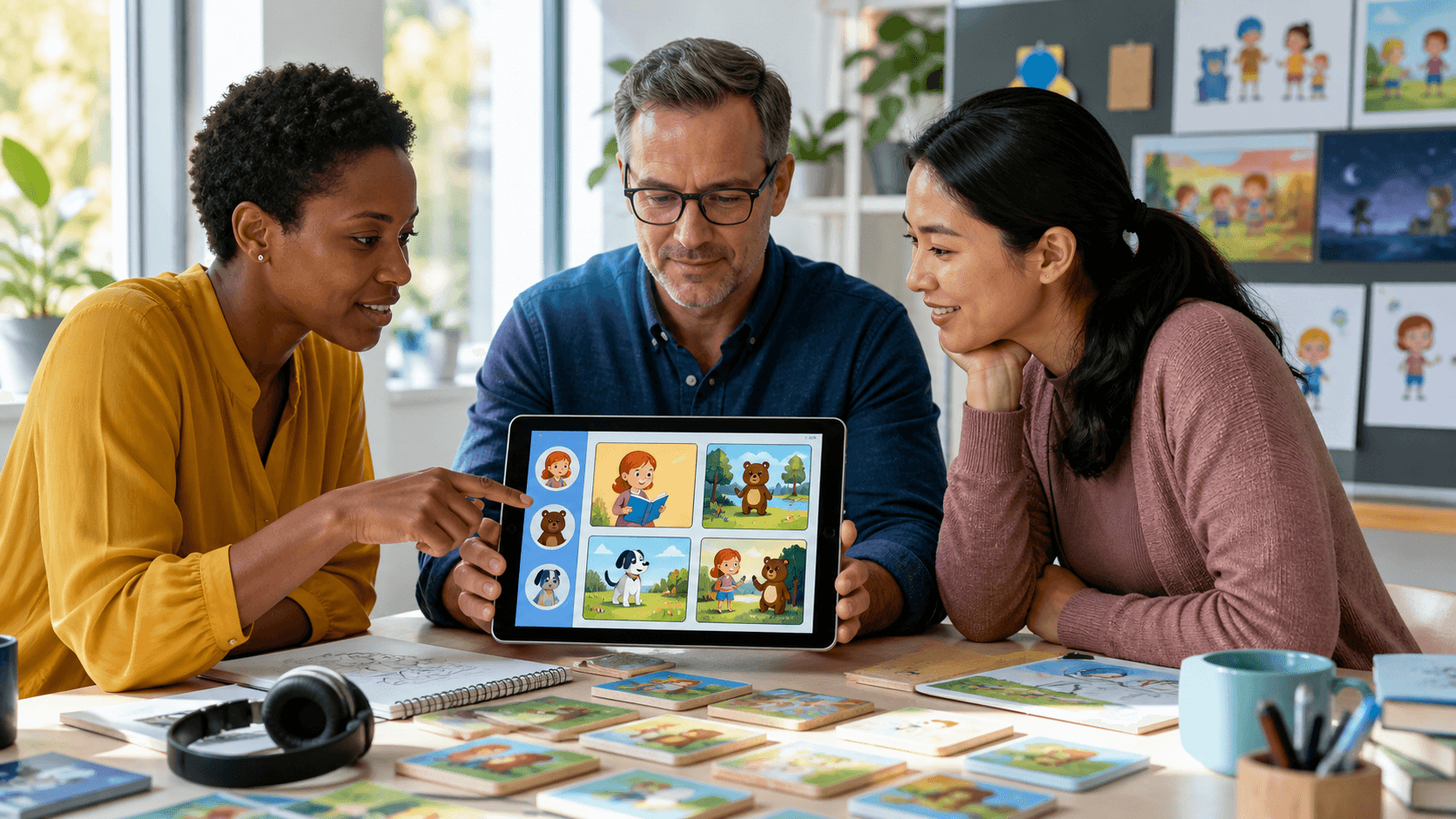
A story changes when your child gets to take part in it. Instead of only watching events unfold, they may choose where a character goes, pick an object to explore, or guess what might happen next. Those small choices ask children to notice details in the words, pictures, and actions around them.
When children stop and think about a choice, they practice making meaning from what they read. We can use gentle prompts that feel like part of the fun, not a quiz at the end of class. Try questions such as:
- "What do you think will happen next?"
- "Why do you think that character feels worried?"
- "Which choice would you make?"
- "What might happen if the character chooses something else?"
These kinds of questions help children connect events, notice cause and effect, and put their thoughts into words. There is no need to rush toward one "right" answer. Sometimes the best part is hearing how your child came up with an idea.
For children who feel shy about reading aloud or speaking up in school, interactive stories can also offer a lower-pressure space to participate. They can move at their own pace, repeat a favorite part, and try again without an audience. We believe curiosity deserves encouragement, especially when a child is still finding their reading voice.
How Interactive Stories for Children Build Reading Skills
Interactive stories for children can support early reading skills because words appear in a setting that has meaning. A child may hear a word, see it on the screen, and connect it to a character's action or a picture. That repeated connection can make new language easier to remember.
Personalized stories can introduce skills such as letter sounds, rhymes, sight words, and familiar vocabulary without pulling children out of the story. Rather than working through a plain list of words, your child gets to meet those words in a world that feels interesting to them.
Short passages and read-along narration can be helpful for emerging readers, too. If your child wants to try a word, you can pause and give them space to sound it out. If they need help, you can read it together and keep going. The goal is not perfect reading every time. It is helping your child feel comfortable returning to the page.
Stories can also grow alongside a child's skills. Younger readers may enjoy naming objects, spotting colors, or talking about emotions. More confident readers can think about character motives, unfamiliar words, plot twists, and different endings. We can help parents shape activities around the level that feels challenging in a good way, not frustrating.
Parent Controls Create a Safer Space for Exploration
Children need room to be curious, but parents also deserve clear boundaries around what appears on a screen. We believe child-focused AI should support age-appropriate learning, not endless scrolling, surprise content, or pressure to keep watching.
When you are choosing an AI learning experience, it helps to look for tools that let you stay involved. Helpful parent controls can include:
- Guidance over the topics your child explores
- Content shaped around learning goals
- Settings that fit your family's values
- Activities that match your child's developmental stage
With Altys, parents can guide personalized stories, songs, and activities around reading, writing, math, and science. That oversight lets you help shape the experience while your child still gets the joy of exploring their own questions.
The screen activity does not have to end when the story ends. Asking about a favorite character, a surprising choice, or a new word can turn independent play into a family conversation. Those small chats show children that their ideas matter, and they give you a window into what they are learning.
Stories Build Vocabulary, Understanding, and Expression
Vocabulary is more than memorizing definitions. Stories introduce words through settings, problems, feelings, and conversations. A child can begin to understand a new word when they hear it used naturally, see what is happening in the scene, and try using it later in their own sentence.
Comprehension grows through simple pauses, too. You might ask your child to explain what happened at the beginning, middle, and end. You can talk about a character's goal, compare two choices, or ask what problem the character needed to solve. These habits help children organize what they read as stories become longer.
Interactive storytelling can also lead naturally into writing. Afterward, your child might create a new ending, draw a favorite scene, invent a side character, or dictate a short sequel for you to write down. Because they already know the story world, the blank page may feel less intimidating.
Early writing does not need to be polished to be meaningful. We encourage families to focus first on ideas, imagination, and the pleasure of sharing a story. Spelling and grammar can come later, while your child's confidence has room to grow.
Bring Stories Into Fall Routines
September routines can be busy, so a short story activity may fit best in a calm pocket of the day. It could be part of a quiet morning, an after-school reset, or a bedtime wind-down. A manageable routine can bring reading back into the week without making it feel heavy.
You can match story themes to what your child is already thinking about. Friendship stories may fit the first weeks of school, nature stories can connect with early fall, and problem-solving stories can support a tough subject. One story can also lead beyond the screen through a library book, drawing activity, science question, or family conversation.
Clear beginnings and endings help keep digital learning purposeful. After a story, invite your child to act out a scene, draw a character, tell someone else what happened, or find a related print book. When stories continue into everyday life, reading becomes something children do with joy, not just something they are asked to finish.
Give Your Child a Safer Way to Explore Stories
At Altys, we believe children deserve technology that supports curiosity while respecting their safety. Learn how our interactive stories for children are designed with thoughtful safeguards for young learners. We help families encourage independent exploration with greater peace of mind.